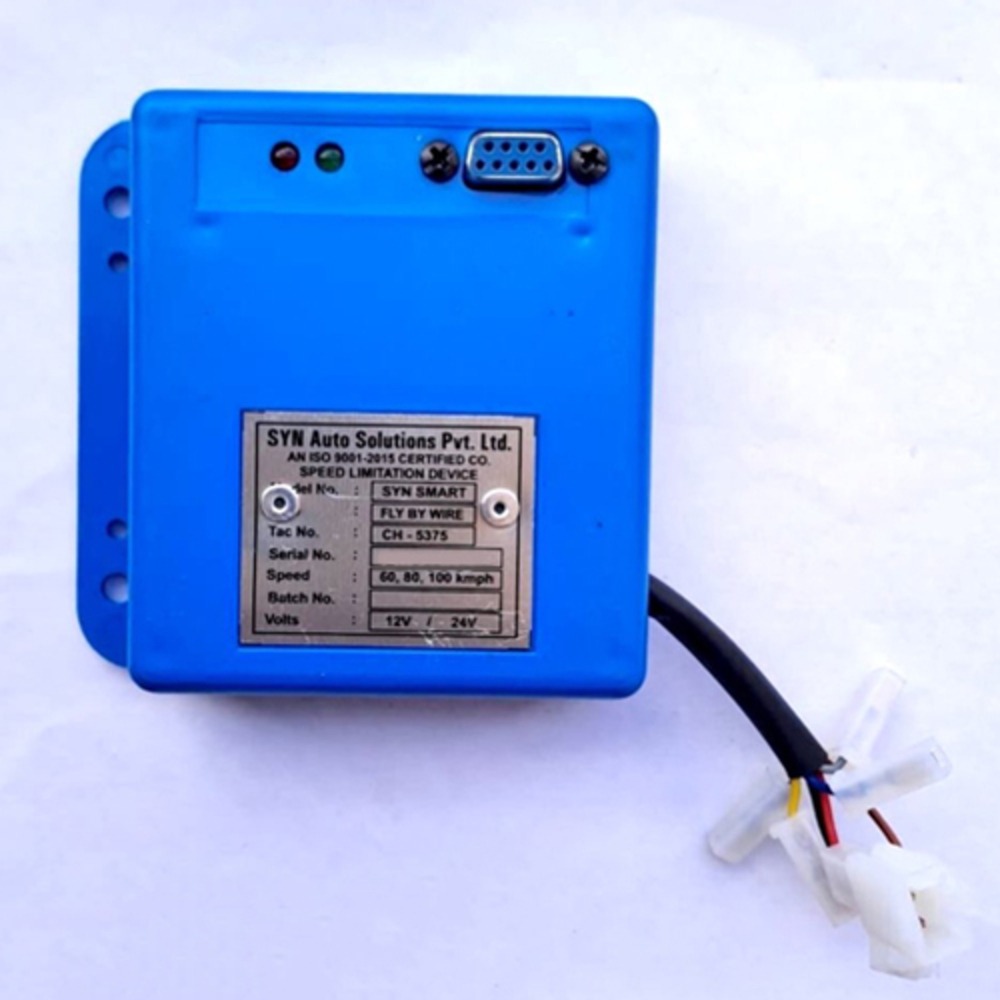
If you’re in charge of a commercial vehicle or manage a fleet in Singapore, you already know how important compliance and safety are. Speed limiters are not just a legal requirement—they’re key to keeping your drivers, your cargo, and the public safe.
With the Land Transport Authority (LTA) tightening rules and technology rapidly improving, staying ahead is more than a smart move—it’s a necessity. If you’re wondering where to begin, it might be time to upgrade your speed limiter SG to meet new standards and keep your operations running smoothly.
Let’s walk through everything you need to know.
Why Speed Limiters Matter in Singapore
In Singapore, commercial vehicles—like buses, heavy goods vehicles, and certain vans—are legally required to have speed limiters installed. These devices restrict the maximum speed a vehicle can travel, helping to reduce accidents caused by speeding and reckless driving.
Speed limiters are more than just compliance tools. They help:
- Improve fuel efficiency
- Reduce engine and brake wear
- Minimize road risk for drivers and pedestrians
Ignoring the rules can lead to serious consequences—fines, vehicle impoundment, or even loss of business license. In a country known for its strict road safety laws, non-compliance simply isn’t worth it.
Recent Regulatory Changes Affecting Speed Limiters
The LTA has been tightening its grip on vehicle safety systems. In recent years, they’ve updated guidelines for the type of devices that are acceptable and how these devices must function.
Here are the key changes:
- Mandatory upgrades for outdated or easily tampered devices
- GPS-based tracking integration to monitor location and speed in real-time
- Event logging and tamper detection to prevent manipulation
- Approved installer lists—devices must be fitted by certified workshops
Deadlines vary by vehicle class. Heavy vehicles like prime movers and tipper trucks were among the first required to comply, while enforcement for lighter commercial vehicles is ongoing.
Staying informed of these timelines is crucial. Operators who miss upgrade deadlines may face surprise inspections and penalties.
Top Speed Limiter Upgrades to Consider
Technology has come a long way. If your fleet is still using older models, now is the time to consider advanced upgrades. Here are the key types worth exploring:
Digital vs Mechanical Speed Limiters
Mechanical limiters are fading out. They rely on simple throttle restrictors and can be bypassed. Digital models, on the other hand, offer better control and data tracking.
Digital systems can:
- Be programmed to exact limits
- Monitor performance remotely
- Provide logs for auditing
They’re harder to tamper with and meet current LTA standards.
GPS-Integrated Speed Limiters
These smart devices use satellite data to adjust speed dynamically based on location. Perfect for areas with variable limits like school zones or construction sites.
They also:
- Record speed violations with time stamps
- Support geo-fencing features
- Help optimize delivery routes
Tamper-Proof Devices
One of the biggest compliance risks is speed limiter tampering. Modern upgrades come with:
- Sealed hardware
- Built-in alarms for unauthorized access
- Secure data logs
Some systems even notify you in real-time if tampering is detected.
Smart Fleet Integration
Advanced limiters can connect with your fleet management systems. This creates a unified platform where you can:
- Track driver behavior
- Monitor vehicle health
- Schedule preventive maintenance
Integration saves time, reduces costs, and ensures nothing slips through the cracks.
How to Choose the Right Upgrade for Your Fleet
Not all speed limiter systems are created equal. When picking one for your fleet, think about:
- Vehicle type – What works for a lorry may not suit a school bus.
- Fleet size – Smaller fleets may not need real-time GPS tracking, but larger ones will benefit greatly.
- Compliance level – Always choose LTA-approved models and installers.
- Budget – Prices can vary based on features. Weigh long-term ROI, not just upfront cost.
It’s also smart to read reviews, get quotes from multiple providers, and ask about ongoing support or software updates.
Common Questions from SG Operators
Do I need to upgrade if my current limiter still works?
Yes—if your device doesn’t meet current standards, it must be replaced, regardless of functionality.
What happens during a speed limiter inspection?
LTA checks for:
- Approved device model
- Installation certificate
- Tamper-proofing
- Device logs
Are aftermarket upgrades LTA compliant?
Only if installed by certified providers and listed on the LTA’s approved equipment list.
What’s the cost range for professional upgrades in SG?
Costs can range from S$300 to S$800 depending on features, vehicle type, and provider. GPS-based systems tend to be more expensive but offer long-term value.
Best Practices After Upgrading
Upgrading is just the beginning. Here’s how to get the most from your new system:
- Train your drivers – Make sure they understand how the limiter works and how to respond to alerts.
- Schedule regular maintenance – Keep the system in top shape to avoid faults.
- Audit logs monthly – Check for signs of tampering, abnormal speeds, or GPS errors.
- Stay updated – LTA may release new rules, so subscribe to their alerts or industry updates.
Conclusion
Speed limiter upgrades aren’t just about ticking a compliance box—they’re about improving your fleet’s performance, safety, and future-readiness. Singapore’s roads are among the safest in the world for a reason: strict regulations backed by smart tech.
If you haven’t reviewed your speed limiter setup in a while, now’s the time. New regulations, smarter devices, and better tools are already here—and the operators who adapt early will always stay one step ahead.