The journey of “How to Train Your Dragon” from a beloved animated film series to a thriving merchandise empire is a fascinating tale of creativity, strategic marketing, and fan engagement. When the first movie was released in 2010 by DreamWorks Animation, it quickly captured the hearts of audiences worldwide with its compelling story, memorable characters, and stunning visuals. This success laid the groundwork for an extensive range of products that would allow fans to bring a magic piece of Berk into their everyday lives.
Initially, merchandise focused on toys replicating the dragons and main characters like Hiccup and Toothless. These items were designed not only as collectibles but also as interactive playthings that encouraged imaginative storytelling among children. The detailed craftsmanship in these figures reflected the high quality seen in the animation itself, which helped set them apart from generic licensed products. As interest grew, so did the variety; plush toys, action figures with movable parts, and role-play accessories such as helmets and swords became widely available.
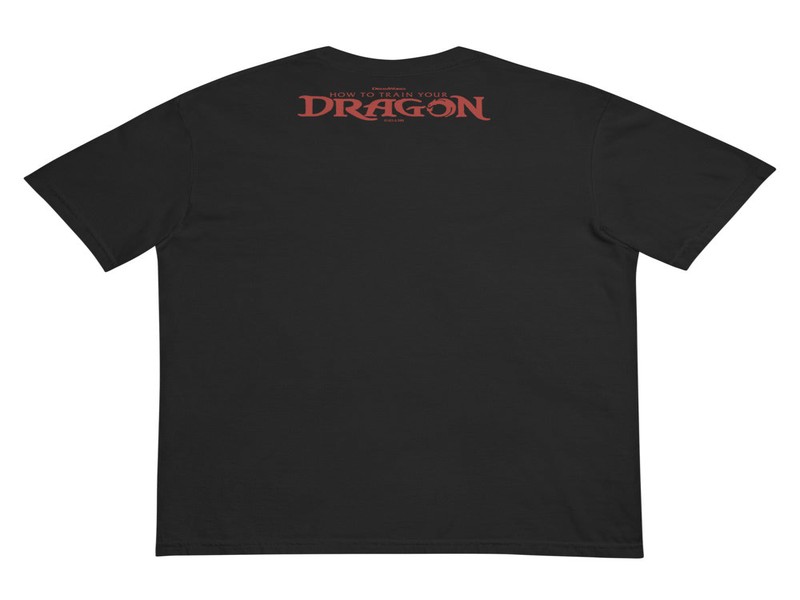
Recognizing that fans wanted more than just toys, DreamWorks expanded into apparel lines featuring iconic images and quotes from the films. Clothing for all ages allowed enthusiasts to express their fandom publicly while feeling connected to Howtotrainyourdragon Official Shop their favorite characters. Additionally, school supplies like backpacks and stationery adorned with dragon motifs became popular among younger audiences eager to showcase their passion at school.
Books played a significant role in complementing this merchandising strategy by deepening viewers’ understanding of the world beyond what was shown on screen. Graphic novels and activity books provided additional adventures or behind-the-scenes insights into dragon lore that enriched fan experience. Video games further extended engagement by offering interactive environments where players could train dragons or explore Berk themselves.
The release of sequels kept momentum strong over several years; each new installment introduced fresh designs for dragons and gear that translated seamlessly into updated product lines. Collaborations with well-known brands ensured wide distribution across major retail outlets globally-from specialty stores focusing on collectibles to mainstream toy aisles-making these items accessible worldwide.
Marketing campaigns often leveraged social media platforms where fans shared unboxing videos or customized merchandise creations inspired by How To Train Your Dragon’s universe. This organic promotion fueled community building among followers who eagerly anticipated new releases both onscreen and on store shelves.
Ultimately, how “How to Train Your Dragon” merchandise evolved reflects more than commercial ambition-it illustrates how storytelling can transcend media formats through thoughtful product development that honors source material while meeting consumer desires. By bridging cinematic art with tangible goods thoughtfully crafted for diverse demographics, this franchise has created lasting connections between fictional worlds and real-life experiences for millions around the globe.